

Laguna Beach, Californ-ia(AI) ~ Time Machine

Updated: May 31


The 'Baroque' Time Machine
Old School Baroque|Apparel ~ late 1800's right here in Laguna Beach ⛱️ 🏖️
Laguna Beach
A Peek Back In Time
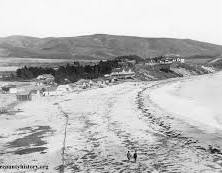
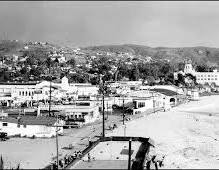
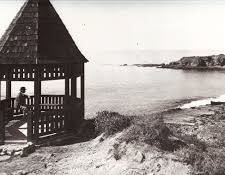
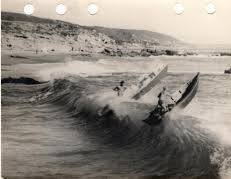
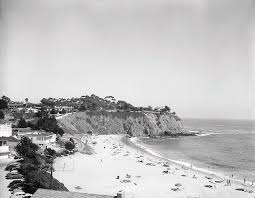
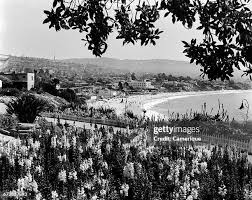
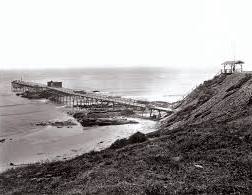
"Laguna Beach, originally inhabited by Paleo-Indians for over 7,000 years, was settled by Americans in the 1870s and became a renowned artists' colony in the early 1900s. Incorporated in 1927 to protect its creative community, the city evolved from a tranquil seaside village into a thriving, affluent tourist destination known for its preserved, dramatic coastline and vibrant art scene.
Key Historical Periods:
Indigenous Roots: For thousands of years, the area was home to the Tongva and Acjachemen (Juaneno) tribes.
Early Settlement (1870s–1880s): Settlers arrived under the Homestead Act, with George and Sarah Thurston establishing the first permanent, non-indigenous homestead in 1871. The area was known as "Lagona" (a corruption of the Spanish for lagoon) due to two freshwater lagoons in the canyon.
"Father of Laguna": Nate Brooks, who bought land in Bluebird Canyon in 1876, is often considered the founder of the modern town.
The Art Colony (1900s–1920s): Painters like Norman St. Clair popularized the area in 1903, attracting artists who founded the Laguna Beach Art Association in 1918.
Tourism and Development: In the 1880s, the area became a camping destination. By the early 1900s, residents began renting cottages to inland residents escaping the summer heat.
Incorporation & Hollywood (1920s–1930s): Officially incorporated in 1927, the city became a popular filming location for silent movies. The Festival of Arts and Pageant of the Masters were established in the early 1930s.
Mid-Century to Present: During the 1960s/70s, it maintained a bohemian, "hippie" vibe while attracting celebrities and artists. Today, it is a protected, upscale coastal city known for its "no-chain-store" downtown culture, as detailed on Visit Laguna Beach.
Notable Historical Facts:
The Name: Though often called "lagoons," the city was technically named for two small freshwater lakes near the main beach.
Rumrunners: During Prohibition, local coves were used by notorious smugglers like "Tony the Hat" to bring alcohol from ships to the shore.
The Greeter: From 1880–1908, "Old Joe" Lucas acted as an unofficial greeter, welcoming stagecoach visitors with a trident.
For more in-depth timelines, visit the Laguna Beach Historical Society or see the full history of Laguna Beach on PBS SoCal."
History of Laguna Beach, Chrome Search, Google, April 25th, 2026.
Check out these Videos from our YouTube channel; click below 👇


Please Check Out Laguna Beach Art!
🎨

Copyright © 2026. All Rights Reserved By The Lit Design Group ~ A Pache Co.


Comments